

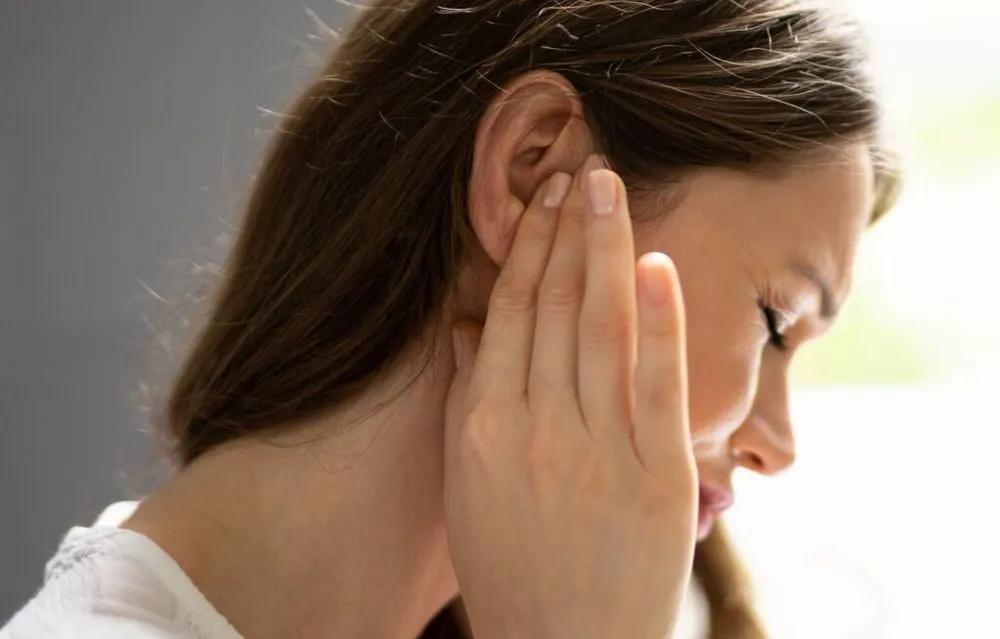
Ear Reshaping Abu Dhabi has become an increasingly popular cosmetic procedure for individuals seeking to improve the appearance of their ears. Many people wonder whether this aesthetic surgery influences hearing capabilities. Understanding the relationship between ear reshaping and hearing function is essential for anyone considering the procedure. This article explores the potential impact of ear reshaping on hearing health, addressing common concerns and providing helpful insights from a third-person perspective.
Understanding Ear Reshaping Procedures
What is Ear Reshaping?
Ear reshaping, also known as otoplasty, is a surgical procedure designed to modify the shape, position, or size of the ears. It aims to create a more balanced and natural appearance, especially for individuals with prominent or misshapen ears. The procedure involves making precise incisions behind the ear, removing or folding cartilage, and securing the ears in the desired position.
Why People Choose Ear Reshaping
People opt for ear reshaping for various reasons, including improving self-esteem, correcting congenital deformities, or restoring symmetry after injury. The procedure is typically performed in a manner that ensures minimal scarring and quick recovery, making it a favored choice among those seeking aesthetic enhancement.
How Ear Reshaping Could Potentially Affect Hearing
Anatomy of the Ear and Its Role in Hearing
The outer ear, known as the pinna or auricle, plays a crucial role in capturing sound waves and funneling them into the ear canal toward the eardrum. The shape of the pinna helps in sound localization and enhances hearing sensitivity. The middle ear contains ossicles that transmit vibrations, and the inner ear converts these vibrations into electrical signals sent to the brain.
Impact of Structural Changes on Hearing
During ear reshaping in Abu Dhabi, surgeons modify the outer ear's structure. Since the procedure primarily targets the cartilage and skin of the outer ear, it generally does not interfere with the middle or inner ear components responsible for hearing.
Potential Factors That Might Influence Hearing
While the procedure itself is designed to be safe for hearing, certain factors related to the surgery could theoretically influence auditory function. For instance:
Excessive removal or alteration of cartilage might affect the ear's acoustics, although this is rare.
Swelling or inflammation after surgery could temporarily impair sound conduction, but this usually resolves with proper care.
In rare cases, if the structural changes extend toward the ear canal, there could be a minor impact on sound transmission.
Common Concerns About Hearing After Ear Reshaping
Is Hearing Usually Affected?
Most individuals undergoing ear reshaping in Abu Dhabi do not experience any change in their hearing ability. Since the procedure targets the outer ear's shape without disturbing the auditory pathways, hearing remains unaffected in the majority of cases.
How Long Does Temporary Hearing Change Last?
Any temporary alterations in hearing, such as muffled sound or slight difficulty in hearing, are typically due to swelling or bandaging. These symptoms usually resolve within a few days to weeks after surgery.
When to Seek Medical Advice
If there is a persistent change in hearing or discomfort beyond the initial recovery period, consulting a healthcare professional is advisable. Persistent issues could indicate complications that need to be addressed promptly.
Ensuring Safe Ear Reshaping Procedures
Choosing a Skilled Specialist
Opting for a qualified and experienced surgeon ensures that the procedure is performed with precision, reducing the risk of unintended effects on hearing.
Proper Preoperative Evaluation
A thorough assessment of ear anatomy and hearing function before surgery helps in planning the procedure appropriately, minimizing potential risks.
Postoperative Care
Adhering to postoperative care instructions, such as avoiding trauma to the ears and managing swelling, supports optimal healing and maintains hearing health.
FAQs About Ear Reshaping and Hearing
Can ear reshaping damage the inner ear?
No, ear reshaping focuses on the outer ear and does not involve the inner ear or auditory nerve pathways.
Will I experience hearing loss after the procedure?
Typically, no. Since the procedure is limited to the outer ear, hearing loss is uncommon. Any temporary changes are usually related to swelling or bandaging.
How long does it take to recover from ear reshaping?
Recovery time varies, but most people return to normal activities within a week or two, with swelling and bruising subsiding gradually.
Are there any long-term effects on hearing?
In most cases, there are no long-term effects on hearing. Proper surgical technique and postoperative care help ensure that hearing remains intact.
Is hearing tested before and after ear reshaping?
Preoperative assessment often includes hearing tests to ensure baseline function, and postoperative evaluations can confirm that hearing remains unaffected.
Conclusion
Ear Reshaping in Abu Dhabi is primarily a cosmetic procedure that aims to enhance the appearance of the ears without compromising hearing ability. The careful surgical techniques used ensure that the structural integrity of the ear is maintained, and auditory functions remain intact. While temporary changes in hearing may occur due to swelling or bandaging, these effects are usually short-lived and resolve fully. For those considering ear reshaping, selecting an experienced surgeon and following proper postoperative guidance are vital steps to ensure a safe and successful outcome. Overall, ear reshaping is a safe option that does not typically affect hearing ability, allowing individuals to achieve their aesthetic goals with confidence.