

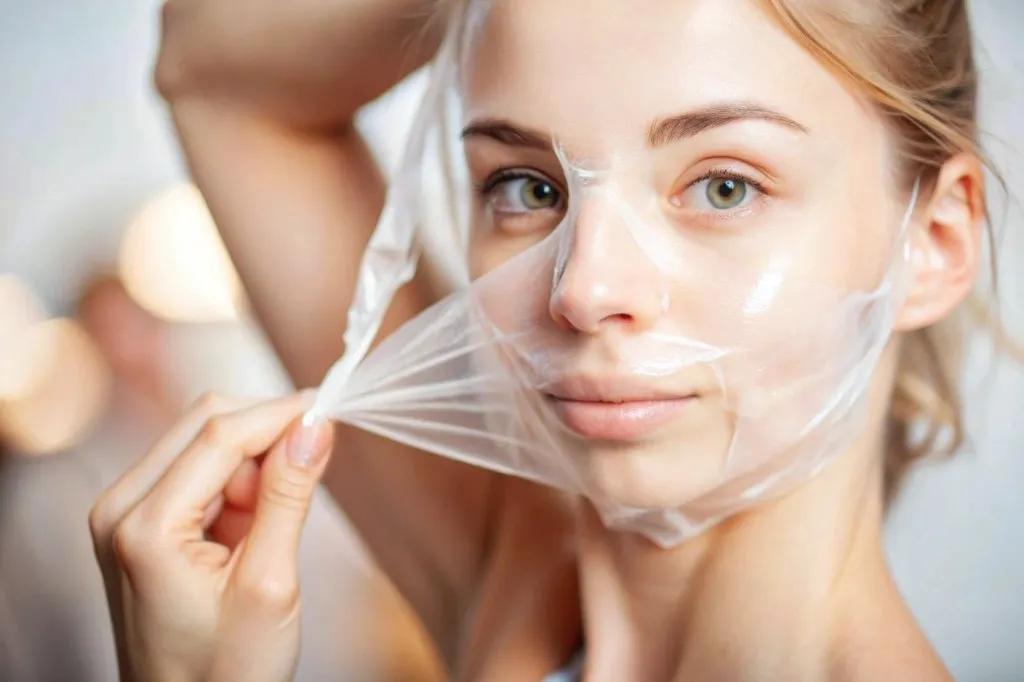
For people hoping to refresh dull-looking skin, Chemical peels Abu Dhabi may be one option to explore with a qualified skincare professional. A peel uses a carefully selected solution to loosen and remove some surface skin cells, encouraging fresher-looking skin to come through. The result can be a smoother texture and a more even-looking complexion, though outcomes vary from person to person.
A chemical peel is not a single, standard treatment. Its strength, ingredients, and application are chosen according to the person’s skin, concerns, and goals. Some peels work mainly on the outermost layer, while others reach deeper. A professional consultation helps determine whether a peel is suitable and what kind might be considered.
How a Peel Can Support Radiance
Skin may look less bright when its surface has an uneven texture, accumulated dead cells, or areas of discoloration. By encouraging the shedding of surface cells, a peel can help the complexion appear clearer and smoother. Light reflects more evenly from a smooth surface, which may contribute to a fresh, radiant appearance.
Depending on the peel and individual skin response, treatment may also help improve the look of:
Uneven tone and mild discoloration
Rough or dull texture
The appearance of some blemish marks
Fine surface lines
Congested-looking pores
These are appearance-related goals, not guaranteed results. A peel cannot change every skin concern, and it may not be the right choice for everyone. Expectations are best kept realistic: gradual improvement may be more appropriate than expecting a dramatic transformation after one session.
What Happens During a Treatment
A professional typically begins by reviewing the person’s skin history, sensitivity, current routine, and desired outcome. The skin is then prepared, and the selected solution is applied for a controlled period. The process may create a brief tingling or warm sensation, depending on the peel. The professional removes or neutralizes the solution when appropriate and explains how to care for the skin afterward.
The treatment itself may be relatively brief, but the overall experience includes preparation and recovery. The skin’s appearance can change over the following days as it renews. The exact timeline depends on the peel’s depth and the person’s individual response, so the professional’s guidance matters.
Choosing the Right Approach
A suitable peel depends on more than the goal of achieving radiance. Skin tone, sensitivity, past reactions, active skin conditions, and recent treatments can all affect the choice. A professional may recommend a gentler option, suggest postponing treatment, or explain that another approach is more appropriate.
Before deciding, a person can ask:
What type and depth of peel is being considered?
What changes are realistic for their specific concern?
How should the skin be prepared?
How long might visible recovery take?
Which activities or skincare ingredients should be paused?
When should the skin be checked again?
Clear answers help the person understand the plan and make an informed decision. A careful assessment is especially important for anyone with easily irritated skin or a history of pigmentation changes.
Preparing for a Peel
Preparation should follow the professional’s instructions rather than a general online routine. The person may be asked to pause certain active skincare ingredients or avoid other treatments for a period beforehand. They should share details about allergies, skin conditions, recent procedures, and any products they use, so the professional can assess suitability.
It is also helpful to choose a time when the skin can be given a calm recovery period. Scheduling a peel just before an important event may not be ideal, since temporary redness, dryness, or visible skin shedding can occur as part of the renewal process. The professional can provide a clearer idea of what to expect for the specific treatment.
Aftercare Tips
Post-treatment care supports comfort and helps protect the renewed skin. The person should follow the instructions provided for cleansing, moisturizing, and sun protection. They should avoid picking or pulling at peeling skin, as doing so can interfere with the healing process.
Helpful general reminders include:
Keep the routine simple and gentle as advised.
Protect the skin from direct sun exposure.
Use sun protection recommended by the professional.
Avoid exfoliating or using strong active ingredients until cleared.
Contact the professional if the skin’s response seems unusual or concerning.
The exact aftercare plan varies with peel strength and individual needs. Following personalized guidance is more reliable than copying another person’s routine.
Frequently Asked Questions
Can a chemical peel make skin look radiant after one session?
Some people notice a fresher appearance after a single treatment, while others need a series or may see only subtle changes. The outcome depends on the skin concern, peel type, and individual response. A professional can discuss a realistic timeline.
Is every peel suitable for every skin type?
No. Different skin types and concerns call for different approaches, and some people may need to avoid a peel or delay treatment. A qualified professional should assess the skin before recommending one.
Does a peel remove discoloration completely?
A peel may improve the appearance of certain types of uneven tone, but complete removal is not guaranteed. The cause, depth, and duration of discoloration all influence results. A professional assessment can help clarify what improvement may be possible.
How often can someone have a peel?
There is no universal schedule. The appropriate interval depends on the peel’s depth, the skin’s recovery, and the treatment plan. Sessions should only be repeated according to professional guidance.
When should someone seek professional advice?
A person should seek advice before treatment if they have sensitive or reactive skin, an active skin concern, a history of pigmentation changes, or uncertainty about their current skincare routine. Professional guidance helps determine whether a peel is appropriate and how to approach it safely.
A Thoughtful Route to Brighter-Looking Skin
Chemical peels can help some people achieve a smoother, more even-looking complexion, which may make skin appear more radiant. The most suitable approach depends on an individual assessment, realistic expectations, and careful preparation and aftercare. With professional guidance, a person can better understand whether a peel fits their goals and what kind of result may be achievable.