

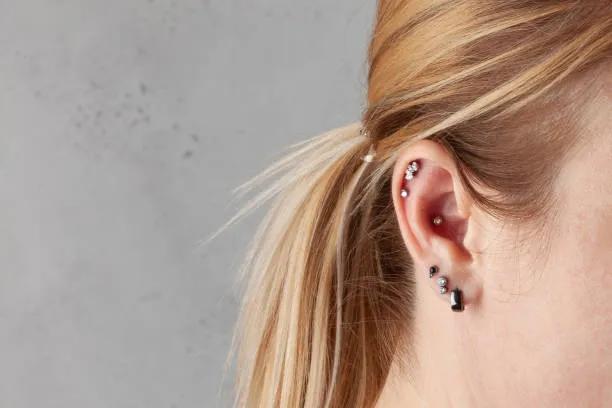
When considering ear piercing Abu Dhabi, many individuals wonder about the safety and potential skin reactions that could arise afterward. While ear piercing is a popular tradition and fashion statement, understanding the possible skin conditions that might be triggered is essential for anyone planning to get their ears pierced. This article explores the various aspects of ear piercing and how it can affect skin health, providing helpful insights for those interested in this procedure.
Understanding Ear Piercing in Abu Dhabi
The Popularity of Ear Piercing
Ear piercing is a widespread practice, often seen as a rite of passage or a form of self-expression. In Abu Dhabi, it has gained popularity among all age groups, with many young people and adults choosing to adorn their ears with jewelry. The procedure is generally considered safe when performed in proper settings, but it’s important to be aware of potential skin reactions.
The Procedure and Its Safety Aspects
Ear piercing involves creating a small opening in the earlobe or cartilage to insert jewelry. Ensuring that the process is performed using sterile equipment by trained professionals helps minimize risks. Proper aftercare is also crucial in preventing complications.
Skin Conditions That May Be Triggered by Ear Piercing
Allergic Reactions
One of the most common skin issues associated with ear piercing is an allergic reaction. Some individuals may react to certain metals used in earrings, especially nickel, which can cause redness, itching, and swelling.
Contact Dermatitis
Contact dermatitis occurs when the skin comes into contact with an irritant or allergen, leading to inflammation. It can be triggered by improper hygiene, certain types of earrings, or aftercare products. Signs include redness, blistering, or crusting around the pierced area.
Keloids and Hypertrophic Scars
Some people are prone to developing keloids or hypertrophic scars after piercing. These are raised, thickened areas of scar tissue that can form at the site of piercing due to an overgrowth of collagen.
Infection-Related Skin Conditions
Although not directly a skin condition caused by piercing, infections can lead to skin issues if bacteria enter the pierced area. Infections may cause redness, warmth, pus, and swelling.
Folliculitis
Folliculitis is an inflammation of hair follicles around the pierced area, resulting in small red bumps or pustules. Poor hygiene or contaminated jewelry can contribute to this condition.
Factors Influencing Skin Reactions in Ear Piercing
Metal Composition of Earrings
The type of material used in earrings plays a significant role in skin reactions. Hypoallergenic materials are less likely to cause allergies, but reactions can still occur depending on individual sensitivities.
Hygiene and Aftercare Practices
Proper cleaning and maintenance of the pierced area are vital in preventing skin conditions. Failing to follow recommended aftercare routines can increase the risk of irritation and infection.
Individual Skin Sensitivity
Some individuals naturally have more sensitive skin, making them more susceptible to reactions following ear piercing. Knowing one's skin type can help in choosing suitable jewelry and taking preventive measures.
Preventive Measures for Skin Conditions Post-Piercing
Choosing the Right Jewelry
Opting for high-quality, hypoallergenic earrings can significantly reduce the likelihood of allergic reactions. Avoiding cheap or poorly manufactured jewelry is advisable.
Maintaining Proper Hygiene
Regular cleaning of the pierced area with suitable solutions helps prevent bacterial buildup and reduces inflammation. Handwashing before touching the earrings or the pierced site is also recommended.
Monitoring the Healing Process
Keeping an eye on the pierced area for any signs of irritation or abnormal changes allows for early intervention. Promptly addressing issues can prevent more severe skin reactions.
When to Seek Help for Skin Conditions
Recognizing Severe Reactions
Persistent redness, swelling, or pain that does not improve over time may indicate a more serious reaction or infection requiring professional attention.
Managing Allergic Reactions
If signs of allergy such as itching or rash develop, stopping the use of the current earrings and switching to hypoallergenic options can help alleviate symptoms.
Addressing Skin Scarring
In cases where keloids or hypertrophic scars form, professional guidance can assist in managing these skin conditions effectively.
FAQs
Can ear piercing in Abu Dhabi cause skin conditions?
Yes, ear piercing can trigger certain skin conditions, especially if proper precautions are not taken or if an individual has sensitivities.
Are allergic reactions common after ear piercing?
Allergic reactions are relatively common, particularly in those sensitive to certain metals used in earrings. Choosing hypoallergenic jewelry can help reduce the risk.
How can skin reactions be minimized?
Using high-quality, hypoallergenic jewelry, maintaining good hygiene, and following aftercare instructions are effective ways to minimize skin reactions.
What should be done if a skin condition develops after ear piercing?
It is advisable to consult a professional to evaluate the condition and receive appropriate treatment or guidance for managing the skin issue.
Is it safe to get ear piercing if one has sensitive skin?
With proper precautions, such as selecting hypoallergenic jewelry and ensuring meticulous aftercare, individuals with sensitive skin can safely undergo ear piercing.
Final Thoughts
While ear piercing in Abu Dhabi is a popular and generally safe procedure, it does carry the potential to trigger various skin conditions. Understanding the types of skin reactions, preventive steps, and when to seek professional help can make the experience safer and more enjoyable. Proper choice of jewelry, hygiene practices, and attentiveness during the healing process are key factors in minimizing skin-related issues. With awareness and care, individuals can enjoy their pierced ears without worry about adverse skin reactions.