

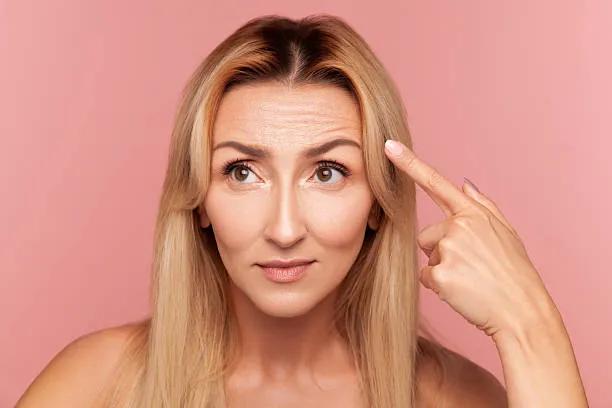
A person can feel rested and energetic yet still appear tired when the brow sits low, the forehead has deep lines, or the area above the eyes looks heavy. These features may develop gradually with age, changes in skin elasticity, or individual facial structure. They can make the eyes seem less open and give the face a worried, stern, or fatigued appearance.
Forehead Lift Abu Dhabi may be considered by people who want to address these concerns through a procedure that raises and reshapes the brow area. Whether it improves a tired-looking expression depends on what is creating that appearance, the person’s anatomy, and the result they hope to achieve. A forehead lift is not a general solution for every concern around the eyes, so careful assessment matters.
What a Forehead Lift Does
A forehead lift, sometimes called a brow lift, adjusts the position and contour of the brow and forehead. The aim is usually to reduce the appearance of a low or heavy brow and create a more open, refreshed look. Depending on the approach, the procedure may involve small incisions placed within the hairline or other discreet locations. The exact technique is selected according to the person’s features and treatment goals.
The procedure focuses on the upper face. It does not directly change every aspect of the eyelids, under-eye area, or skin texture. For example, puffiness beneath the eyes or excess skin on the upper eyelids may need a separate evaluation. A balanced plan considers how the forehead, brows, and eyes work together rather than treating one feature in isolation.
How It May Affect Facial Expression
A lowered brow can cast a shadow over the eyes, making them appear smaller or less alert. If the brow position contributes to that effect, lifting it may help the eyes look more open. Smoothing some forehead creases may also soften an expression that otherwise seems tense.
The goal is generally a refreshed appearance that still looks like the same person. A suitable result should respect natural facial movement and proportions. Raising the brow too much or changing its shape beyond what fits the person’s features can create an unfamiliar look, which is why clear communication about preferences is important.
Who May Consider the Procedure
A person may explore a forehead lift if they notice that the brow has descended, forehead lines remain prominent when the face is relaxed, or the upper face appears heavier than they would like. They may also feel that their expression does not reflect how rested or positive they feel.
Suitability cannot be determined from appearance alone. A qualified practitioner will consider general health, skin and brow structure, facial movement, medical history, and expectations. They may also discuss whether another approach would better address the main concern. The person should have realistic goals and enough time to understand the procedure before making a decision.
What to Discuss During a Consultation
A consultation gives the person an opportunity to explain what bothers them and ask how a forehead lift might affect their expression. It can help to describe the concern in everyday terms, such as “the eyes look heavy” or “the brow seems tense,” rather than focusing only on a particular technique.
Useful topics to discuss include:
Which facial features are contributing to the tired appearance
What changes are realistic for the person’s brow and forehead
Where incisions may be placed and how the approach is chosen
How facial movement and natural expression are considered
What the recovery period generally involves
Whether other areas need separate assessment
A practitioner may examine the face at rest and during expression to understand how the brow moves. The person can ask for an explanation of the proposed plan and take time to consider it. They should feel comfortable raising concerns and seeking clarification before proceeding.
Recovery and Expectations
Recovery varies from person to person and depends on the chosen technique and individual healing. The treating professional provides guidance on activity, follow-up, and what changes to expect during the healing period. Early appearance may not represent the final result, as the tissues need time to settle.
Patience is important. The brow and forehead may look different as swelling and tightness gradually improve. A forehead lift also cannot stop the natural ageing process. Over time, facial tissues continue to change, though the procedure may create a lasting improvement in brow position for some people.
Frequently Asked Questions
Can a forehead lift make someone look less tired?
It may help when a low or heavy brow is a major reason the eyes look less open or the expression seems fatigued. The outcome depends on the person’s anatomy and whether the concern is actually related to brow position.
Does it change the shape of the eyes?
A forehead lift changes the brow and forehead area, which can influence how open the eyes appear. It does not directly reshape the eyes. The practitioner should explain how the planned adjustment may affect the person’s overall facial balance.
Is it suitable for every person with forehead lines?
Not necessarily. Forehead lines can have different causes, and a brow lift may not be the most appropriate option for everyone. An assessment can help identify the source of the lines and clarify which approach, if any, fits the person’s goals.
Will the result look natural?
A natural-looking result depends on careful planning, an appropriate technique, and realistic expectations. The aim is usually to refresh the upper face without making the brow look unusually raised or changing the person’s characteristic expression.
Making an Informed Decision
A forehead lift may improve a tired-looking expression when brow position is a significant part of the concern. Its purpose is to create a more open and refreshed appearance while maintaining facial balance. It is not a guaranteed solution for every sign of tiredness, and individual results differ.
The most helpful first step is a thoughtful consultation with a qualified professional who can assess the full upper face and explain suitable options. With clear expectations and a plan tailored to the person’s features, they can decide whether a forehead lift aligns with their goals.