

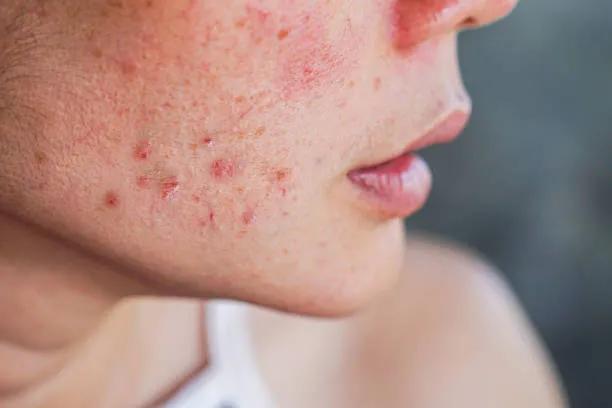
Acne scars can leave the skin looking uneven, with differences in texture, color, and overall clarity. Laser Acne Scar treatment Abu Dhabi may help improve these concerns by encouraging skin renewal and gradually softening the appearance of certain scars. The degree of change depends on the scar type, skin characteristics, and treatment plan, so results can vary from person to person.
How Laser Treatment Can Affect Skin Tone
Laser treatments deliver controlled energy to selected areas of the skin. Depending on the approach, this energy may target discoloration, encourage collagen production, or support the surface’s natural renewal process. These changes can make the complexion appear more even over time.
Acne marks and acne scars are not always the same. Flat, lingering marks may involve changes in pigmentation, while indented or raised scars affect skin texture. A treatment approach suited to one concern may not address the other in the same way. Assessment helps clarify which skin changes are present and what improvement may be realistic.
Why Skin Tone May Look Uneven After Acne
After acne heals, the skin can retain visible marks. Some areas may appear darker or redder than the surrounding complexion. Meanwhile, dips, pits, or raised areas can create shadows that make tone seem less uniform, even when the color itself is similar.
Several features influence how these marks look:
The depth and shape of the scars
How long the marks have been present
The skin’s natural tone and sensitivity
Whether discoloration or texture is the main concern
How the skin responds to previous treatments
Understanding these differences helps set expectations. A treatment may improve texture and make the complexion look smoother, but it may not erase every mark.
What Types of Laser Approaches May Be Considered?
Laser approaches generally vary in how deeply they work and which skin concern they target. Some focus more on the skin’s surface, while others reach deeper layers to support collagen remodeling. The appropriate option depends on the person’s skin, the scar pattern, and the desired degree of improvement.
A qualified skin professional can explain whether a laser approach is suitable and how it compares with other available procedures. The aim is to match the treatment to the concern rather than assume that one method works equally well for every scar or skin tone.
What Improvement Can Be Expected?
Laser treatment may gradually soften certain acne scars and help the skin look more even. As the skin renews and collagen changes develop, texture can become less noticeable, and some areas of discoloration may appear more balanced.
Improvement is often gradual rather than immediate. A series of sessions may be recommended, with time between them for the skin to respond. The number and timing of sessions depend on individual assessment, treatment type, and progress. Some people notice a visible difference, while others experience more modest changes.
A realistic goal is often smoother-looking skin and reduced contrast between affected and unaffected areas—not perfectly uniform skin. Clear discussion before treatment can help align expectations with what the chosen approach can reasonably achieve.
Who May Be Suitable for Treatment?
Suitability depends on the skin’s condition, the type of acne scarring, and relevant health history. A professional assessment can identify whether the concern is mainly discoloration, textural scarring, or a combination. It can also help determine whether the skin is ready for treatment and which approach may be appropriate.
People with active acne may be advised to address ongoing breakouts before focusing on established scars. Treating active acne can help reduce the chance of new marks forming while existing concerns are being managed.
Questions to Discuss Before Treatment
A consultation is an opportunity to learn what the procedure can—and cannot—do. The individual can describe the concerns that matter most and ask how progress will be evaluated. Helpful topics include:
Which scar types are present
Whether the main goal is smoother texture or more even color
What kind of change is realistic
How many sessions may be considered
How progress will be reviewed
These details support an informed decision and a treatment plan shaped around the individual rather than a general promise.
FAQs About Laser Acne Scar Treatment
Can laser treatment improve dark acne marks?
It may help some forms of discoloration, depending on their cause and the person’s skin. Dark marks can differ from indented scars, so assessment is important to determine which concern is being treated.
Does laser treatment remove acne scars completely?
Complete removal is not guaranteed. Treatment may reduce the visibility of certain scars and improve the overall appearance of the skin, but results vary. The depth, shape, and age of the scars all influence the outcome.
How long does it take to notice a difference?
Changes may develop gradually over multiple weeks or sessions, depending on the treatment plan and the skin’s response. A professional can explain when progress is normally reviewed for the selected approach.
Can one treatment address both tone and texture?
Some laser approaches may support improvement in more than one concern, but the results depend on the specific skin issue and treatment settings. A tailored assessment helps clarify whether one approach is appropriate or whether different concerns need separate consideration.
Is laser treatment suitable for every skin tone?
Not every laser approach is appropriate for every skin tone. The choice should account for natural pigmentation and individual skin characteristics. A trained professional can assess suitability and discuss an approach designed for that person.
A Thoughtful Approach to More Even-Looking Skin
Laser treatment may offer a way to improve the appearance of acne scars and support a more even-looking complexion. Its potential benefits depend on choosing an appropriate approach for the scar type, skin tone, and personal goals. With careful assessment and realistic expectations, individuals can understand whether treatment is a suitable step toward smoother, more balanced-looking skin.