

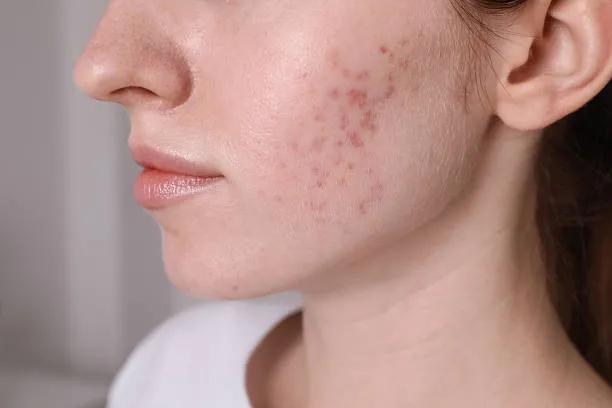
Acne scars can remain long after breakouts have settled, affecting how smooth and even the skin looks. Laser Acne Scar treatment Abu Dhabi may help reduce the visibility of certain scars by encouraging skin renewal and supporting collagen production. The results depend on the scar type, skin characteristics, and treatment plan, so a qualified professional’s assessment is an important first step.
How Laser Treatment Works
Laser treatment uses focused light energy to target selected areas of the skin. Depending on the method chosen, it may remove tiny portions of the outer skin or warm deeper layers without removing the surface. These controlled changes prompt the skin’s natural repair process, which can gradually improve texture and soften the appearance of scars.
Collagen, a structural protein in the skin, plays a key role in this process. As new collagen develops, depressed areas may look less pronounced and uneven texture may become smoother. Improvement usually happens over time rather than immediately, because the skin needs time to renew itself.
Which Acne Scars May Respond?
Laser treatment can be considered for several types of acne scarring, although no single approach suits everyone.
Depressed Scars
Some scars form shallow or deep indentations. Treatments that stimulate collagen may help soften their edges and make the surrounding skin appear more even. The degree of improvement depends on the depth, shape, and attachment of each scar.
Uneven Skin Texture
Scarring can leave the skin feeling rough or irregular. Resurfacing approaches may help refine the surface by encouraging renewal in targeted areas. A professional can determine whether this approach is suitable for the person’s skin and concerns.
Raised Scars
Raised scars differ from indented scars and may need a different assessment. Laser treatment may be considered in selected cases, but the appropriate method depends on the scar’s characteristics and how it has changed over time.
What Influences Results?
Laser treatment can reduce scar visibility, but it cannot guarantee that scars will disappear completely. Several factors shape the outcome:
The type, depth, and age of the scars
The person’s skin tone and general skin condition
The laser approach and treatment settings selected
The number and spacing of sessions recommended
How the skin responds during its renewal process
A consultation allows a qualified professional to examine the skin, discuss the person’s goals, and explain what level of improvement may be realistic. It also provides an opportunity to ask whether another approach, or a combination of approaches, might better address particular scars.
What Happens During a Session?
Before treatment, the skin is assessed and prepared according to the chosen method. The professional explains what the session involves and what sensations the person may notice. During the procedure, laser energy is directed at the selected areas with care.
The length of a session varies depending on the area being treated and the treatment plan. Some people need more than one session to work toward their goals. The timing between sessions is determined by the professional, allowing the skin to recover and respond before another treatment is considered.
Setting Realistic Expectations
Changes often appear gradually as the skin renews itself and collagen develops. Some people notice a smoother appearance after a series of sessions, while others see more modest changes. The goal is generally to make scars less noticeable and improve overall texture, not to create flawless skin or erase every mark.
Photographs taken at different stages may help track progress, since gradual changes can be difficult to notice from day to day. A professional can review the response and adjust the plan when appropriate. Patience matters: the final appearance may take time to assess.
Choosing a Suitable Treatment Plan
A careful assessment is central to choosing a laser approach. The professional may ask about the history of acne, previous treatments, skin sensitivity, and the person’s main concerns. They can also explain how the selected method works, what results are plausible, and how many visits might be considered.
People with active acne may first need to discuss how breakouts could affect scar treatment planning. Treating scars while new blemishes continue to form may not address the full concern. A tailored plan considers both the current condition of the skin and the person’s longer-term goals.
Frequently Asked Questions
Can Laser Treatment Remove Acne Scars Completely?
Laser treatment may make scars less visible, but complete removal cannot be promised. The response varies according to scar type, depth, skin characteristics, and treatment plan. A professional assessment can provide a more individualized expectation.
How Many Sessions May Be Needed?
The number of sessions differs from person to person. Some concerns may respond to a limited course, while more pronounced scarring may require a longer plan. The professional determines suitable spacing based on the treatment method and the skin’s response.
When Might Improvement Become Noticeable?
Improvement is usually gradual. Skin renewal and collagen development take time, so changes may become clearer over the weeks and months following treatment. The timing varies, and the professional can explain what may be expected for the selected approach.
Is Laser Treatment Suitable for Every Skin Type?
Not necessarily. Skin tone, sensitivity, medical history, and the type of scarring all matter when selecting a laser approach. A qualified professional should assess these factors before recommending treatment.
Does the Treatment Address Every Type of Scar?
Different scars have different structures, and a method that helps one type may be less suitable for another. An assessment can identify the main scar patterns and clarify whether laser treatment alone is likely to meet the person’s goals.
A Considered Path Toward Smoother-Looking Skin
Laser treatment may reduce the visibility of acne scars by improving texture and encouraging collagen renewal. The most appropriate approach depends on an individual assessment, and results develop gradually rather than appearing all at once. With realistic expectations and a plan suited to the skin, a person can make an informed decision about whether treatment aligns with their goals.