

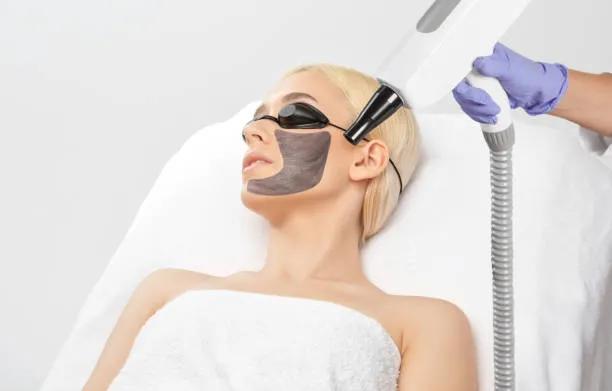
Oily skin can leave the face looking shiny, feeling greasy, and appearing less fresh through the day. Laser Carbon Peel Abu Dhabi is a treatment that may help manage this concern by combining a carbon-based topical layer with laser energy. It is often chosen by people looking for a smoother-looking complexion and a reduction in visible oiliness. Results vary, however, and the treatment is not a permanent change to the skin’s natural oil production.
What Is a Laser Carbon Peel?
A laser carbon peel is a non-invasive facial treatment that uses a thin layer of carbon-based material and a laser. The carbon settles over the skin’s surface and into pores. Laser energy is then passed over the treated area, interacting with the carbon and helping lift surface debris and excess oil. The procedure is commonly described as a way to refresh the skin’s appearance. It may also support a clearer-looking complexion by removing some of the buildup that can make pores look more noticeable. Suitability depends on skin type, sensitivity, and personal goals, so an assessment before treatment can help set realistic expectations.
How Can It Help With Facial Oiliness?
Oil, or sebum, is produced naturally to help protect the skin. When the skin produces more than is needed, the face may look shiny, and pores can appear more prominent. A carbon peel may help by clearing some surface oil and residue from pores, leaving the skin feeling cleaner and looking less glossy for a period of time. The treatment does not switch off the skin’s oil glands. Instead, it may temporarily improve the appearance of excess oil and support a more even-looking surface. The length of any visible change can differ from person to person and may depend on routine, environment, and the skin’s natural characteristics.
What Happens During the Treatment?
The skin is first cleansed, and a carbon layer is applied across the area being treated. After it has settled, a laser is moved over the skin. The laser interacts with the carbon, helping remove it along with some surface impurities. People commonly describe the session as brief, though the full appointment may include preparation and a discussion of skin goals. The treatment plan may vary depending on the area and individual needs. A qualified skincare professional can explain what the session involves, how many visits may be considered, and what kind of changes are realistic. Clear communication before treatment helps ensure the approach suits the person’s skin and expectations.
Who May Consider a Carbon Peel?
A carbon peel may appeal to people who notice persistent facial shine, congested-looking pores, or a dull skin surface. It may also suit those seeking a non-invasive option that focuses on improving the appearance of skin texture. It is not automatically appropriate for everyone, and a professional assessment is important, especially when the skin is sensitive or has an ongoing condition. Useful questions to discuss beforehand include:
Is the treatment suitable for the person’s skin type?
What visible changes are realistic?
How might the treatment fit into an existing skincare routine?
Would more than one session be considered?
What Results Can Be Expected?
After a session, some people notice that the face looks fresher or feels smoother. The skin may also appear less shiny for a while. These changes are not the same for everyone, and they may be subtle. A carbon peel should not be expected to permanently prevent oil production, erase pores, or resolve every cause of breakouts. A balanced expectation is that the treatment may offer temporary cosmetic improvement. A professional can explain how results are assessed and whether a series of sessions might be discussed. Consistent, gentle skincare can also help support the appearance of the skin between appointments.
What Can Influence Results?
Several factors may affect how the skin responds. These include the amount of oil the skin naturally produces, the condition of the skin barrier, the person’s routine, and the treatment approach. Changes in temperature, humidity, stress, and other personal factors can also influence facial shine. Because oiliness has multiple influences, a single treatment may not address every contributing factor. A tailored discussion can help clarify whether a carbon peel matches the person’s priorities or whether another approach would be more suitable.
Frequently Asked Questions
Does a carbon peel permanently reduce oil production?
No. It may help reduce visible surface oil temporarily, but it does not permanently change how much oil the skin produces.
How soon might the skin look less oily?
Some people notice a fresher or less shiny appearance after treatment, while others see a more gradual or subtle change. Individual results vary.
Can it help pores look smaller?
Clearing surface buildup may make pores look less noticeable for some people. Pore size itself is influenced by skin structure and cannot be permanently removed by a peel.
Is one session enough?
That depends on the person’s skin and goals. A qualified professional can discuss whether one session or a treatment plan is appropriate without promising a particular result.
Is a carbon peel suitable for every skin type?
No treatment is suitable for everyone. An assessment can help determine whether the person’s skin is an appropriate match and whether the proposed approach aligns with their needs.
A Practical Option for Managing Shine
Laser carbon peel may help some people achieve a cleaner-looking, less shiny complexion by lifting surface oil and buildup. Its effects are generally cosmetic and temporary rather than a permanent change to oil production. Anyone considering Laser Carbon Peel in Abu Dhabi can benefit from a clear consultation, realistic expectations, and guidance tailored to their skin.