

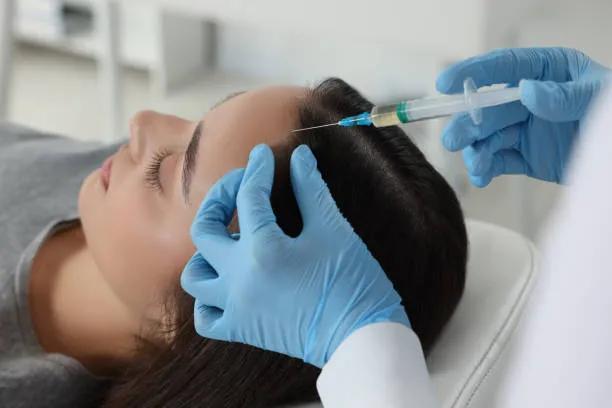
Platelet-rich plasma (PRP) therapy is a procedure that uses a concentrated portion of a person’s own blood. In PRP Hair Treatment Abu Dhabi, a small blood sample is processed to separate plasma containing platelets, then this platelet-rich portion is placed into selected areas of the scalp. Platelets carry growth factors involved in the body’s normal repair processes, which is why PRP has attracted interest as a possible way to support hair growth.
The treatment does not create new hair follicles. Instead, it may help stimulate activity in some existing follicles, particularly when they have become less active or produce finer strands. Results differ from person to person, and PRP is not a guaranteed solution for every kind of hair loss.
How PRP May Support Hair Growth
Hair grows in repeating phases: growth, transition, and rest. When follicles spend less time in the growth phase or gradually become smaller, hair may appear thinner. PRP is thought to encourage a more supportive environment around follicles by delivering concentrated platelets and their growth factors to the scalp.
Research into PRP for hair loss is ongoing. Some studies report improvements in hair density or thickness, while others show more modest results. Differences in preparation methods, treatment schedules, and participant characteristics make results difficult to predict. A qualified professional can help determine whether the available evidence and the person’s pattern of hair loss make PRP a reasonable option.
Who May Be a Suitable Candidate?
Suitability depends on the cause, pattern, and duration of hair loss, as well as the condition of the scalp and remaining follicles. PRP may be considered for people with thinning hair when viable follicles are still present. It may be less helpful when an area has been without active follicles for a long time.
Before treatment, a professional generally reviews the person’s health history, examines the scalp, and discusses changes in hair shedding or density. This assessment can help identify whether another condition may be contributing to the hair loss and whether further evaluation is appropriate.
PRP is not a one-size-fits-all approach. A person’s expectations, overall health, and willingness to attend repeated sessions may also influence the decision.
What Happens During a Session?
A typical session begins with collecting a small amount of blood. The sample is placed in a processing device that separates its components and concentrates the platelets. The prepared plasma is then administered across the selected scalp areas using a series of injections.
The appointment often involves preparation, processing, and treatment time. The exact method and session length can differ according to the individual plan. The professional should explain each stage beforehand and answer questions about the process, expected sensations, and what the treatment can realistically achieve.
PRP uses material from the person receiving treatment, but that does not mean it is suitable for everyone. A proper assessment is important before proceeding.
When Might Results Become Noticeable?
Hair changes gradually, so visible improvement—if it occurs—usually takes time. Some people may notice reduced shedding or changes in hair thickness after several months, while others may see little difference. Hair-growth cycles and the underlying cause of thinning both affect how quickly changes can be observed.
Progress is best judged over time rather than from day to day. A professional may suggest tracking hair density or taking consistent photographs under similar conditions. This can make subtle changes easier to recognize and support a clear discussion about whether the treatment plan is meeting expectations.
Factors That Can Influence Outcomes
Several factors may affect how well PRP works:
The cause and duration of hair loss
The number of active follicles in the treated area
A person’s general health and hair-growth cycle
The preparation and administration method
The consistency of the recommended treatment schedule
PRP may be used on its own or discussed as part of a broader plan, depending on the person’s needs. Any additional approach should be explained clearly, including its purpose and likely limitations.
Setting Realistic Expectations
PRP is intended to support existing follicles, not restore every area of lost hair. It may help some people achieve thicker-looking hair, but it cannot promise a particular amount of regrowth. Some individuals respond well, while others notice minimal change.
A useful consultation focuses on specific goals, such as improving density in a thinning region or reducing the appearance of sparse hair. It should also include an honest discussion of uncertainty, the possibility that repeated sessions may be suggested, and how progress will be evaluated. Clear expectations help people make informed decisions rather than relying on claims of guaranteed results.
Frequently Asked Questions
Can PRP restore hair in completely bald areas?
PRP generally works by supporting follicles that remain active or have become less productive. It is unlikely to restore hair where follicles are no longer present. An assessment of the scalp can help clarify whether the treated area has follicles that may respond.
Is one session enough?
Treatment plans vary. Some professionals recommend an initial series of sessions followed by periodic review, while others tailor the schedule to the person’s needs and response. The appropriate plan should be discussed before treatment begins.
Is the result permanent?
PRP does not stop every underlying cause of hair loss, and results may change over time. Some people may be advised to consider maintenance sessions, but the need for them depends on individual progress. A professional can explain what may be realistic in each case.
How can a person tell if PRP is working?
Changes may include reduced shedding or a fuller appearance in the treated areas, but these signs can be gradual. Consistent photographs and follow-up assessments can provide a more reliable comparison than everyday observation.
Making an Informed Decision
PRP may support stronger-looking hair for some people by encouraging activity in existing follicles, but results are variable and depend on several factors. A careful scalp assessment, a discussion of the cause of hair loss, and realistic expectations are essential before choosing treatment. With clear information and individualized guidance, a person can decide whether PRP fits their goals and circumstances.