

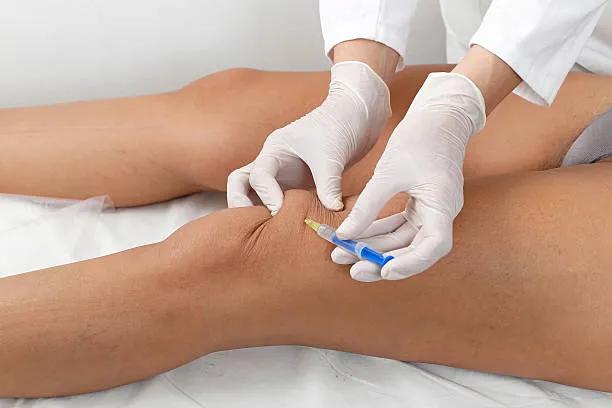
Joint pain can significantly impact daily life, making simple movements uncomfortable and challenging. Many individuals seek effective treatment options to alleviate this pain and regain mobility. PRP injections for knees in Abu Dhabi have gained popularity as a promising therapy for those suffering from knee joint issues. This innovative approach uses the body's own healing capabilities to target joint discomfort and promote tissue repair.
Understanding PRP Injections for Knees
What Are PRP Injections?
Platelet-rich plasma (PRP) injections involve drawing a small amount of blood from the patient, processing it to concentrate platelets, and then injecting this platelet-rich plasma directly into the affected knee joint. Platelets are rich in growth factors that play a crucial role in tissue repair and regeneration. By delivering a high concentration of these growth factors to damaged tissues, PRP aims to stimulate healing processes naturally and efficiently.
How Do PRP Injections Work?
PRP injections work by enhancing the body's innate ability to heal itself. When injected into the knee joint, the concentrated platelets release growth factors that can:
Stimulate cell growth and tissue regeneration
Reduce inflammation
Promote the repair of damaged cartilage and tissues
Improve joint function and reduce pain
This regenerative process can potentially restore joint health over time, providing relief for those with chronic knee pain.
Effectiveness of PRP Injections for Knee Pain
What Conditions Can PRP Help With?
PRP injections are commonly used to treat various knee problems, including:
Osteoarthritis
Tendon injuries around the knee
Meniscal tears
Ligament damage
Chronic joint inflammation
What Are the Benefits?
Many individuals report improvement in pain levels and mobility after undergoing PRP therapy. The natural regenerative approach often results in:
Reduced joint discomfort
Increased joint stability
Enhanced range of motion
Potential slowing of cartilage degeneration
While results can vary, many patients find PRP to be a valuable part of their treatment plan for knee joint issues.
The Process of Receiving PRP Injections
Preparing for Treatment
Before the procedure, a consultation with a healthcare professional helps determine if PRP injections are suitable. The process involves:
Blood collection: A small amount of blood is drawn from the patient.
Processing: The blood is spun in a centrifuge to separate the platelets from other blood components.
Injection: The concentrated platelet-rich plasma is injected into the knee joint under guided imaging.
What to Expect During the Procedure
The injection process is minimally invasive and typically takes less than an hour. Patients might experience some discomfort at the injection site, but the procedure itself is generally well-tolerated.
Potential Outcomes of PRP Therapy in Abu Dhabi
How Long Do Results Last?
The duration of relief can vary depending on individual factors, the severity of the joint condition, and adherence to post-procedure recommendations. Some patients notice significant improvement within a few weeks, with benefits potentially lasting several months to a year or more.
Factors Influencing Success
The effectiveness of PRP injections can be influenced by:
The severity of joint damage
The patient's overall health and activity level
Following aftercare instructions
The number of sessions received
Multiple injections might be recommended for optimal results, especially in cases of advanced joint degeneration.
Frequently Asked Questions
Are PRP Injections Safe?
PRP therapy is considered safe because it uses the patient’s own blood components, reducing the risk of adverse reactions. It is a natural and biocompatible treatment option.
How Many Injections Are Needed?
The number of injections varies based on individual needs and the condition being treated. Typically, patients may undergo a series of one to three injections spaced several weeks apart.
How Soon Will I Feel Improvement?
Some patients notice pain relief and improved mobility within a few weeks after treatment, while others may require more time to experience full benefits.
Can PRP Prevent Further Joint Damage?
While PRP can promote tissue repair and potentially slow the progression of joint degeneration, it is not a guaranteed preventive measure. Maintaining a healthy lifestyle and following medical advice are important for long-term joint health.
Is PRP Suitable for Everyone?
Who Should Consider PRP Injections?
PRP injections are generally suitable for individuals with early to moderate joint degeneration, soft tissue injuries, or those looking for a natural alternative to surgery.
Who Might Not Be a Good Candidate?
People with certain blood disorders or infections may not be ideal candidates for PRP therapy. It is essential to undergo a thorough medical assessment to determine suitability.
Final Thoughts on PRP Injections for Knees in Abu Dhabi
PRP injections for knees in Abu Dhabi present a promising option for those seeking a natural, minimally invasive method to address joint pain. By harnessing the body's own healing potential, PRP can promote tissue regeneration, reduce discomfort, and improve joint function. Although individual results can vary, many patients find this therapy to be a valuable addition to their pain management and recovery strategies. Consulting with a healthcare professional experienced in regenerative medicine can help determine if PRP is the right choice for specific knee conditions.
READ MORE : Do PRP injections for knees boost healing?