

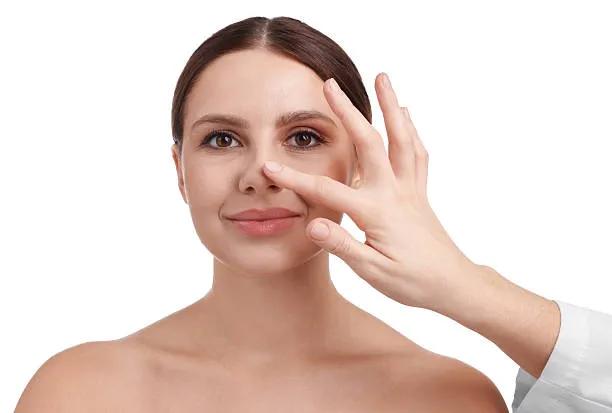
An asymmetrical nose tip can make the nose appear uneven, even when the difference is subtle. Rhinoplasty Abu Dhabi may help refine the tip by adjusting its structure and improving how it relates to the rest of the nose. Whether surgery can achieve a balanced result depends on the reason for the asymmetry, the person’s anatomy, and their goals.
Understanding Nose-Tip Asymmetry
The nose tip is formed by cartilage, soft tissue, and skin. Differences in the shape or position of these structures can make one side look fuller, higher, or less defined than the other. Asymmetry may be present from birth, develop as the nose grows, or follow an injury or previous procedure.
A small difference between the two sides is common. The goal of treatment is generally improvement and balance, not perfect mirror-image symmetry.
How Rhinoplasty May Refine the Tip
Rhinoplasty can reshape or reposition parts of the cartilage that support the tip. Depending on the individual’s anatomy, a surgeon may adjust the tip’s projection, width, rotation, or definition. Changes to the bridge or other parts of the nose may also be considered when they affect the overall balance.
The approach is not the same for everyone. A careful assessment helps determine whether the asymmetry comes mainly from cartilage, skin thickness, the nasal septum, or another structural feature. Skin thickness can influence how clearly changes in the underlying framework become visible.
Who May Be a Suitable Candidate?
A person considering rhinoplasty may benefit from a consultation if the nose tip looks uneven and the concern has remained consistent over time. Suitability depends on overall health, nasal structure, expectations, and whether the person is ready for the recovery process.
A consultation can help clarify:
What may be contributing to the asymmetry
Which changes may be realistic
Whether the tip can be addressed on its own or as part of broader reshaping
What the procedure and recovery generally involve
What to Expect During an Assessment
The assessment usually includes a discussion of the person’s concerns, medical history, breathing, and desired changes. The nose may be examined from different angles, including the front and side, to understand how the tip fits with the rest of the face.
The clinician can explain the available surgical approach and its limitations. Clear communication matters: a person can describe what feels uneven, while the clinician can explain what changes are technically achievable. No image or simulation can guarantee an exact result.
Recovery and the Developing Result
After surgery, swelling can temporarily affect the tip’s shape and make it difficult to judge symmetry. The nose changes gradually as healing progresses, and the tip may take longer to settle than other areas. Follow-up visits allow the healing process to be monitored and questions to be discussed.
People should follow the individual instructions provided by their care team, since recovery guidance can vary according to the procedure and personal circumstances.
Setting Realistic Expectations
Rhinoplasty may improve the appearance of an asymmetrical tip, but it cannot promise perfect symmetry. Natural facial features are rarely identical on both sides, and healing may affect each side differently. A balanced result is usually a more practical goal than complete uniformity.
A thoughtful decision takes account of both appearance and function. If breathing concerns are present, they should be discussed during the assessment rather than treated as a separate detail.
Frequently Asked Questions
Can rhinoplasty correct a crooked-looking nose tip?
It may improve the appearance of a crooked or uneven tip when the cause can be addressed surgically. The likely extent of improvement depends on the underlying cartilage, skin, and overall nasal structure.
Can only the nose tip be changed?
In some cases, treatment can focus mainly on the tip. In others, the bridge or internal structures may also affect how the tip appears, so the assessment determines whether a broader approach is appropriate.
Will the result look perfectly symmetrical?
Perfect symmetry cannot be guaranteed. The aim is generally to create a more balanced appearance while respecting the person’s natural facial features.
How long does it take to see the final shape?
Early changes may be visible as swelling improves, but the tip can continue to settle over time. The clinician can give an individualized explanation of what to expect during follow-up.
What should someone ask at a consultation?
Useful questions include what is causing the asymmetry, which changes are realistic, how the procedure may affect breathing, what recovery involves, and how progress will be reviewed.
Making an Informed Decision
Rhinoplasty can be an option for refining an asymmetrical nose tip when the person’s anatomy and goals are suitable. A detailed, unhurried consultation helps establish what may be improved, what cannot be guaranteed, and whether the anticipated changes match the person’s expectations.