

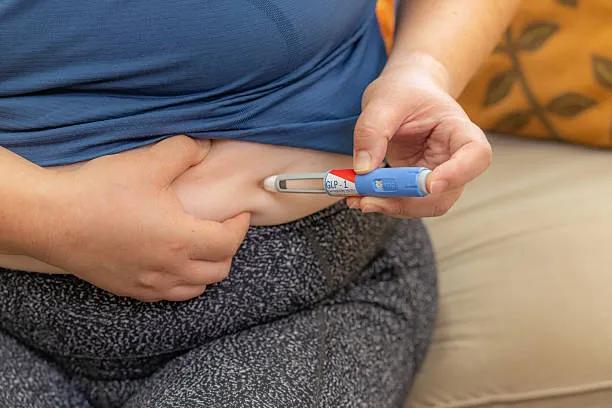
For people exploring medically supervised weight management, Saxenda Injections Abu Dhabi may be one option to discuss with a qualified healthcare professional. Saxenda is a prescription medicine containing liraglutide, used alongside reduced-calorie eating and increased physical activity to support weight management in eligible adults. It is not intended as a quick fix, and its suitability depends on a person’s health, weight-related needs, and treatment goals.
Understanding Saxenda
Saxenda belongs to a group of medicines known as GLP-1 receptor agonists. It works in ways that can influence appetite and feelings of fullness. Some people may find it easier to feel satisfied after eating or to manage hunger while following a structured weight-management plan. The medicine is given as a subcutaneous injection, meaning it is injected under the skin using a prefilled pen. A healthcare professional explains how it is used and whether it is appropriate for the individual. Saxenda requires a prescription and should be taken only according to professional guidance.
Who May Be Considered for Treatment?
Saxenda may be considered for certain adults living with obesity, or for adults with excess weight alongside a weight-related health concern. Eligibility is based on clinical criteria and an assessment of the person’s overall health. It is not designed for everyone who wants to lose a small amount of weight. A healthcare professional may review factors such as weight history, current health conditions, medications, eating patterns, activity level, and previous approaches to weight management. This helps determine whether Saxenda could be part of a suitable plan or whether another approach may be more appropriate.
How Saxenda May Support Weight Management
Saxenda can support weight management by helping some people manage appetite as they work toward sustainable changes. Its role is to complement, rather than replace, nutritious eating habits and regular movement. A broader plan can also include realistic goals, sleep routines, and ongoing professional support. Progress can differ from one person to another. Weight management is influenced by many factors, including health, daily routines, and individual response to treatment. For that reason, care usually includes follow-up appointments to review progress and determine whether the treatment plan remains suitable.
What to Discuss Before Starting
Before beginning Saxenda, an individual should have a detailed conversation with a qualified healthcare professional. The discussion can clarify the person’s goals, treatment expectations, and how the medicine fits into their wider health plan. Useful topics to cover include:
Whether the person meets the criteria for treatment
How the injection pen is used and stored
The treatment schedule and follow-up plan
Other medicines or health conditions that may affect suitability
How progress will be reviewed Clear communication helps a person make an informed decision. They should share relevant health information and ask questions whenever instructions or expectations are unclear.
Building a Sustainable Weight-Management Plan
Medication is only one possible part of a comprehensive approach. A supportive plan may focus on balanced meals, appropriate portions, regular activity suited to the person’s abilities, and habits that can be maintained over time. Small, consistent changes can be more practical than strict routines that are difficult to sustain. A healthcare professional may help set measurable goals and adjust the plan as circumstances change. Tracking habits and progress can also help reveal what is working. The emphasis is generally on gradual, maintenance-focused change rather than relying on rapid results.
Frequently Asked Questions
Can Saxenda work without lifestyle changes?
Saxenda is intended to be used alongside a reduced-calorie eating plan and increased physical activity. It is not a substitute for these measures. A person’s treatment plan should reflect their needs and be reviewed with a qualified healthcare professional.
How long does it take to notice progress?
The timing and degree of progress vary between individuals. A healthcare professional can explain how progress is assessed and when the treatment plan should be reviewed. Regular follow-up helps determine whether the approach remains appropriate for the person’s goals.
Is Saxenda suitable for everyone with excess weight?
No. Suitability depends on clinical criteria and individual health circumstances. A professional assessment is needed to decide whether Saxenda is an option. It should not be started, shared, or used outside the instructions provided by a prescriber.
Does Saxenda replace a balanced eating plan?
No. The medicine is intended to complement nutrition and activity changes. A balanced, realistic plan supports overall wellbeing and can help a person develop habits that are easier to continue.
What should someone ask during a consultation?
They can ask how eligibility is determined, how the pen is used, what the follow-up schedule involves, and how success will be measured. They can also discuss personal goals and any health factors that may influence the plan.
Making an Informed Decision
Saxenda may help some eligible adults manage excess body weight as part of a structured, professionally guided plan. Its potential role is best understood through an individual assessment, realistic expectations, and ongoing review. By combining appropriate medical guidance with sustainable everyday habits, a person can make a more informed choice about whether this treatment fits their weight-management needs.