

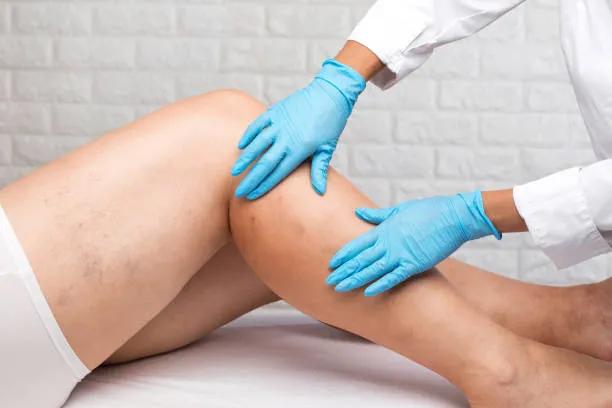
Sclerotherapy in Al Ain has gained popularity as a minimally invasive treatment option for varicose veins and spider veins. Many individuals considering this procedure wonder if it can truly improve blood flow in affected veins. The goal of sclerotherapy is to close off problematic veins, redirecting blood flow to healthier vessels. This treatment can lead to improved circulation, reduced symptoms, and an overall enhancement in vein health. Understanding how sclerotherapy works and its potential benefits can help individuals make informed decisions about their vascular health.
How Sclerotherapy Works
The Procedure Explained
Sclerotherapy involves injecting a special solution directly into the affected veins. This solution irritates the lining of the veins, causing them to collapse and stick together. Over time, the treated veins fade and are reabsorbed by the body. As a result, blood is rerouted through healthier veins, improving overall circulation in the area.
The Role of the Body in Blood Flow Improvement
Once the problematic veins are closed off, blood naturally finds alternative pathways through the healthier veins. This process not only diminishes the appearance of visible veins but also enhances blood flow efficiency. The body adapts by increasing circulation through the remaining functional veins, which can alleviate symptoms such as swelling, heaviness, and discomfort.
Benefits of Sclerotherapy in Improving Blood Flow
Enhanced Circulation
By closing off damaged veins, sclerotherapy helps redirect blood flow to healthier vessels. This can lead to a more efficient circulatory system in the treated area, potentially reducing the strain on surrounding veins.
Symptom Relief
Many patients experience relief from common symptoms associated with venous issues, such as aching, swelling, and a feeling of heaviness. Improved blood flow can contribute to alleviating these discomforts and promoting better mobility.
Prevention of Future Complications
Treating problematic veins early with sclerotherapy can prevent the development of more severe venous conditions. Restoring proper blood flow helps maintain vascular health and reduces the risk of future vein-related problems.
Factors Influencing the Effectiveness of Sclerotherapy
Severity of Vein Damage
The extent of vein damage influences the success of sclerotherapy. Smaller, superficial veins tend to respond better, leading to more noticeable improvements in blood flow.
Patient's Overall Circulatory Health
A patient's overall vascular health impacts the procedure's effectiveness. Healthy circulation supports quicker healing and better outcomes.
Technique and Expertise
The skill of the healthcare provider performing the procedure plays a crucial role in achieving optimal results. Proper injection techniques ensure that veins are effectively closed, leading to improved blood flow.
Aftercare Tips for Optimal Results
Compression Therapy
Wearing compression stockings as recommended can support blood flow, reduce swelling, and aid in vein closure.
Regular Movement
Engaging in light physical activity encourages healthy circulation and prevents blood from pooling in the treated veins.
Follow-up Appointments
Attending scheduled follow-ups ensures that the treated veins are healing correctly and that blood flow is improving as intended.
Frequently Asked Questions
What is the success rate of sclerotherapy in improving blood flow?
Sclerotherapy is highly effective in treating small to medium-sized veins, with many patients experiencing significant improvements in blood circulation and symptom relief. Success depends on several factors, including vein size and overall vascular health.
How soon can one expect to see improvements in blood flow?
While cosmetic improvements may be visible within a few weeks, improvements in blood flow and symptom relief can be noticed gradually over several weeks to months as the body reabsorbs the treated veins and reroutes blood.
Is sclerotherapy suitable for everyone?
Most individuals with visible veins and venous symptoms are good candidates. However, a thorough evaluation by a healthcare professional is necessary to determine suitability based on specific vein conditions and overall health.
Can sclerotherapy prevent future vein problems?
Treating existing problematic veins can help prevent the progression of venous disease and reduce the likelihood of developing additional vein issues. Maintaining healthy lifestyle habits also supports ongoing vein health.
Does lifestyle affect the outcomes of sclerotherapy?
Yes, lifestyle choices such as regular exercise, maintaining a healthy weight, and avoiding prolonged periods of standing or sitting can enhance the effectiveness of treatment and promote healthy blood flow.
Conclusion
Sclerotherapy in Al Ain offers a promising solution for individuals seeking to improve blood flow in affected veins. By effectively closing problematic veins, the procedure facilitates the redistribution of blood through healthier vessels, leading to better circulation and symptom relief. With proper aftercare and healthy lifestyle habits, patients can enjoy the benefits of improved vascular health and a significant reduction in vein-related discomforts. For those considering treatment, consulting a qualified healthcare professional can provide personalized guidance and ensure the best possible outcomes.
READ MORE : How Many Sessions Are Needed for Sclerotherapy?