

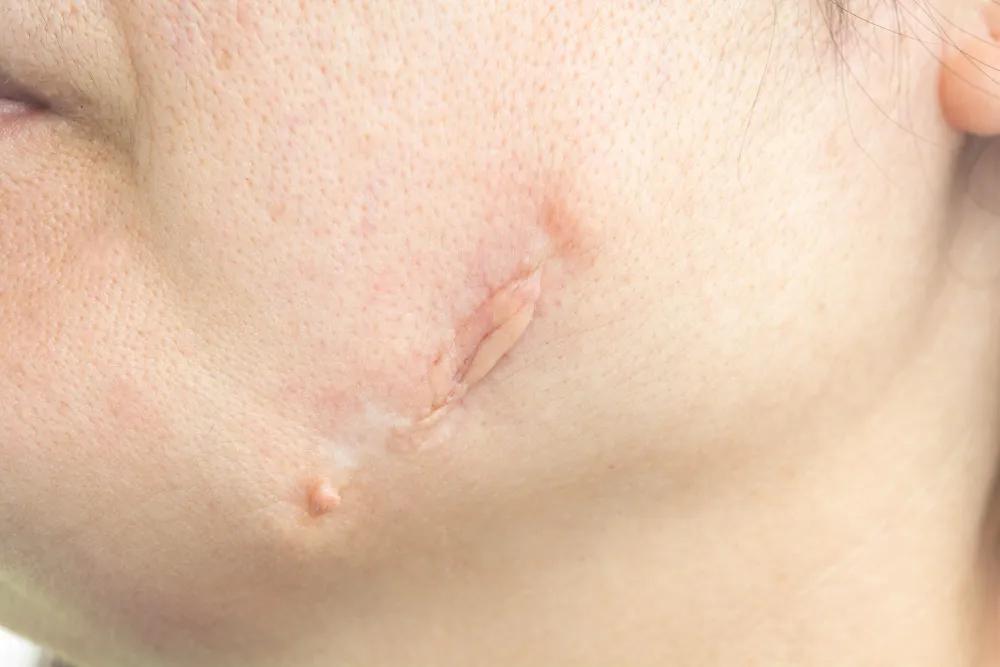
Facial scars can significantly impact a person's confidence and self-esteem. Many individuals seek effective ways to diminish the appearance of scars and restore smooth, even skin. Facial Scar Revision Abu Dhabi has gained popularity as a procedure that offers promising results for those looking to improve their skin's overall texture and appearance. The process involves various techniques aimed at reducing the visibility of scars and enhancing the skin's surface. Understanding how these procedures work and what results can be expected helps individuals make informed decisions about their skin improvement journey.
Understanding Facial Scars and Their Impact
Types of Facial Scars
Facial scars can originate from different causes, including acne, injuries, surgeries, or skin conditions. Common types include:
Atrophic scars: Depressions in the skin often caused by acne.
Hypertrophic scars: Raised scars that stay within the boundaries of the original wound.
Keloid scars: Overgrown scars extending beyond the original injury.
Stretch marks: Long, narrow streaks that can appear on the face due to skin stretching.
How Scars Affect Skin Texture
Scars can alter the skin's natural smoothness, creating uneven surfaces that may feel rough or bumpy. The texture change can also cause pigmentation inconsistencies, making scars more noticeable and affecting overall facial harmony.
Techniques Used in Facial Scar Revision
Skin Resurfacing
Skin resurfacing methods are commonly employed to improve skin texture by removing damaged outer layers and stimulating new skin growth. Techniques include:
Laser resurfacing: Uses targeted laser beams to precisely remove damaged skin and promote collagen production.
Chemical peels: Apply chemical solutions to peel away the outer layers, revealing smoother skin underneath.
Microneedling: Creates controlled micro-injuries to stimulate collagen and elastin production.
Scar Excision and Closure
In some cases, scars are surgically removed or excised, and the skin is carefully re-stitched to produce a less noticeable scar. This approach can be combined with other treatments to optimize results.
Subcision
Subcision involves breaking down fibrous tissue beneath the scar, which can help elevate depressed scars and improve their appearance.
Dermal Fillers
Temporary or semi-permanent fillers can be injected to lift sunken scars, creating a more even skin surface.
How Facial Scar Revision Improves Skin Texture
Collagen Stimulation
Many revision techniques focus on stimulating collagen production, which is vital for skin elasticity and firmness. Enhanced collagen levels can lead to smoother, more resilient skin.
Smoother Skin Surface
By removing or reducing scar tissue, these procedures can significantly diminish skin irregularities, resulting in a more uniform surface that feels soft and natural.
Reduction of Pigmentation Variations
Some treatments also help in evening out pigmentation differences caused by scars, leading to a more consistent skin tone.
Long-term Skin Enhancement
While immediate improvements are noticeable, ongoing collagen development ensures that skin texture continues to improve over time, offering lasting results.
Factors Influencing the Effectiveness of Facial Scar Revision
Type and Severity of the Scar
Different scars respond to treatments in varying ways. For instance, superficial scars may require less invasive procedures, while deeper scars might need combination approaches.
Skin Type and Age
Younger skin tends to heal and regenerate faster, and skin type can influence how well the skin responds to different techniques.
Depth of the Scar
Shallow scars are more likely to be smoothed out effectively, whereas deep or hypertrophic scars may need more intensive treatments.
Technique Selection
Choosing the appropriate method based on individual scar characteristics is crucial for achieving optimal skin texture improvement.
Benefits of Facial Scar Revision Procedures
Enhanced skin smoothness and texture
Improved confidence and self-image
Reduction in the visibility of scars
Better overall facial harmony
Long-lasting aesthetic benefits
Common Questions About Facial Scar Revision in Abu Dhabi
Will the skin feel different after the procedure?
Post-treatment, the skin may feel smoother and softer due to collagen stimulation and removal of irregularities. Over time, the skin's natural texture is restored, providing a more even surface.
How long does it take to see results?
Results can vary depending on the technique used and individual healing responses. Generally, initial improvements are noticeable within a few weeks, with continued enhancement over several months as collagen develops.
Is multiple sessions necessary?
Often, multiple sessions are recommended to achieve the best results, especially for extensive or deep scars. The number of treatments depends on the scar's size and severity.
Are the results permanent?
While many results are long-lasting, maintaining skin health through proper skincare can help preserve the improvements. Some scars may require touch-up procedures over time.
Can all skin types benefit from facial scar revision?
Most skin types can benefit from these treatments, but a consultation with a skincare specialist is essential to determine the most suitable approach for individual skin characteristics.
Conclusion
Facial Scar Revision in Abu Dhabi offers a variety of effective techniques aimed at improving skin texture and reducing the appearance of scars. By stimulating collagen production and carefully removing or remodeling scar tissue, these procedures can transform uneven, rough skin into a smoother, more radiant surface. The degree of improvement depends on the scar type, skin condition, and chosen treatment method, but many individuals experience significant enhancement in their skin’s texture and overall appearance. For those seeking to restore their confidence and enjoy a more harmonious facial complexion, facial scar revision provides a promising solution.
READ MORE : Can Facial Scar Revision Smooth Raised Scars?