

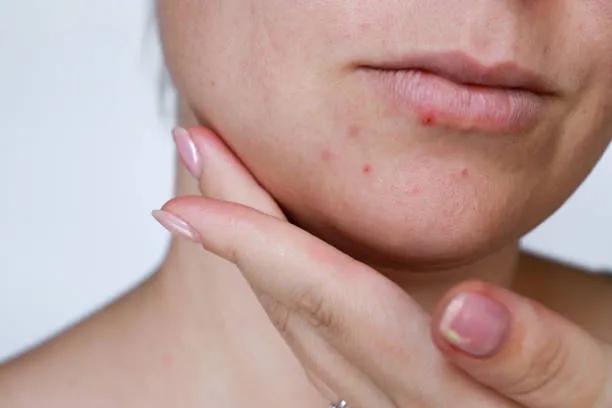
Inflammatory acne can bring redness, swelling, tenderness, and spots that feel difficult to manage. Acne Treatment Abu Dhabi can target these breakouts by addressing the processes beneath the skin, rather than focusing only on what is visible. A tailored approach considers the type of acne, its severity, skin sensitivity, and the person’s individual circumstances.
Understanding Inflammatory Breakouts
Inflammatory acne develops when pores become blocked and the surrounding skin responds with inflammation. This can lead to red bumps, pus-filled spots, or deeper, painful lumps. Excess oil, dead skin cells, acne-related bacteria, and hormonal changes may all contribute, though the combination differs from person to person. Unlike mild blackheads or whiteheads, inflamed lesions can affect a larger area and may be more likely to leave lingering marks. Picking or squeezing them can increase irritation and make healing less predictable. A careful assessment helps distinguish inflammatory acne from other skin conditions that can look similar.
How Treatment Targets Inflammation
An acne plan may use several approaches, selected according to the breakout pattern and skin needs. The aim is to reduce pore blockage, calm inflammation, and limit the formation of new spots. Progressive improvement is generally more realistic than expecting every lesion to disappear immediately.
Assessment Before Treatment
An initial skin assessment can identify whether breakouts are mainly superficial or involve deeper lesions. The person’s history, previous approaches, sensitivity, and possible triggers may also be considered. This information helps shape a plan and establish which changes can be monitored over time. Treatment may be adjusted if the skin’s response differs from expectations. In some cases, acne can fluctuate with hormonal patterns, stress, or other personal factors. Recognizing these influences can help set practical goals and prevent a one-size-fits-all approach.
Topical Approaches
Topical treatments are applied to the skin and may be considered when inflammation is mild or moderate. Depending on the individual assessment, they can help keep pores clearer or reduce the processes that contribute to inflamed lesions. Consistent use, guided by suitable instructions, is important because visible changes often take time. A treatment plan may begin gradually, particularly when the skin is sensitive. The person can be advised to use a simple, gentle routine that avoids unnecessary friction and over-cleansing. Introducing multiple active treatments at once can make it harder to understand what is helping.
Oral Treatment Options
For widespread or deeper inflammatory acne, an oral approach may be considered as part of a broader plan. It can address acne activity beyond the skin’s surface. Suitability depends on the person’s health history and the nature of the breakouts, so professional guidance is essential. Oral and topical approaches may sometimes be combined to work on different contributors. The plan should be reviewed over time, with changes based on progress and individual needs. The person should follow the agreed directions rather than changing the approach independently.
Procedures for Selected Cases
Some people may be offered in-office procedures as an additional part of care. These may be considered for particular lesion types or persistent concerns, following an assessment of the skin. Procedures are not a universal solution and may be combined with other approaches when appropriate. The purpose is to support the overall plan, not to replace an evaluation of the causes and pattern of acne. Expectations should be discussed beforehand, including the likely pace of improvement and how progress will be assessed.
Why a Personalized Plan Matters
Inflammatory acne varies in appearance and intensity. A plan designed for scattered red bumps may not suit someone with deep, recurring lesions. Skin tone, sensitivity, acne history, and the presence of marks can also influence which options are appropriate. A personalized approach can help avoid unnecessary steps and keep the routine manageable. It also gives the person and care professional a shared way to track changes, such as fewer new breakouts, reduced redness, or less tenderness. If improvement is slow, the plan can be reviewed rather than abandoned without guidance.
Common Triggers and Day-to-Day Skin Habits
Acne is not caused by poor hygiene, and frequent scrubbing is unlikely to resolve inflammatory breakouts. In fact, rough cleansing can irritate already inflamed skin. Gentle washing and avoiding repeated picking may help limit additional irritation while the treatment plan addresses acne itself. Some people notice patterns linked to their menstrual cycle, stress, sweat, or particular routines. These factors do not affect everyone in the same way. Keeping brief notes about breakouts can help identify a pattern without making unnecessary restrictions or assumptions.
What Progress Can Look Like
Improvement is often gradual. Early progress may involve fewer new inflamed spots, less discomfort, or breakouts that settle more readily. Marks left after acne can fade more slowly than active lesions, so they may remain visible even when inflammation is improving. Regular review helps determine whether the approach is working. The person can discuss changes in breakout frequency, location, and severity, along with any concerns about how the skin feels. A realistic timeline and clear goals can make the process easier to follow.
Frequently Asked Questions
Can inflammatory acne be treated at different severities?
Yes. Treatment can be adapted to the number, depth, and location of lesions. Mild breakouts may need a different plan from widespread or deeper acne, which may call for a combined approach.
How soon might improvement become noticeable?
The timing varies by person and treatment approach. Acne often takes several weeks or longer to respond, and steady progress may be more meaningful than rapid changes. Follow-up can help assess whether the plan needs adjustment.
Should inflamed spots be squeezed?
Squeezing can irritate the skin and may prolong healing. Leaving lesions alone and following a suitable treatment plan is generally a more careful approach.
Can acne return after it improves?
Acne can recur, especially when contributing factors remain active. Continued guidance and a plan suited to the person’s skin can help manage future breakouts and respond early when they appear.
A Steady Approach to Clearer Skin
Targeting inflammatory acne means addressing both visible spots and the underlying processes that contribute to them. Assessment, an individualized treatment plan, and consistent follow-up can support gradual improvement. With realistic expectations and gentle daily habits, a person can work toward calmer skin without relying on a single solution.