

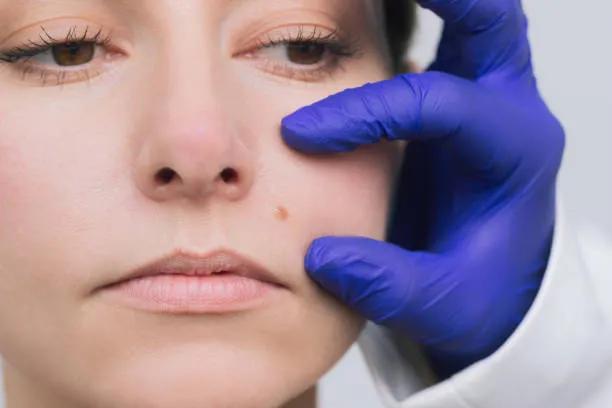
A mole can be a distinctive part of someone’s appearance, but it may also draw attention away from other facial features. Mole Removal Abu Dhabi can help create a more balanced look by reducing or removing a mole that a person feels stands out. The decision is personal: some people prefer to keep a mole as part of their identity, while others feel more comfortable with a smoother or more even-looking complexion.
How Mole Removal Can Refine Facial Features
Reducing a Prominent Spot
A raised, dark, or noticeable mole may become the first feature people see. When it is removed or made less visible, attention can shift more naturally across the face. This may help someone feel that their eyes, smile, or overall expression are more prominent.
Supporting a More Even-Looking Complexion
Moles can differ from surrounding skin in colour, shape, or texture. Addressing a particular mole may make the area appear more uniform. The result depends on the mole and the approach selected after an appropriate assessment; removal does not guarantee perfectly identical skin.
Helping Makeup Sit More Evenly
Some people find that a raised or dark mole affects how makeup looks or feels on a specific area. After the skin has healed, they may find it easier to apply makeup evenly. Others may simply enjoy having the option to wear less makeup if they previously used it to conceal a feature.
The Personal Side of Appearance
Confidence and Self-Expression
Facial appearance is closely connected to personal identity and self-expression. Someone who has felt self-conscious about a mole may feel more at ease after choosing to have it addressed. That change can influence how comfortably they appear in photographs, social settings, or everyday conversations.
The benefit is not the same for everyone. A mole that one person wants removed may be a feature another person values. A thoughtful decision begins with understanding what the individual wants, rather than following pressure from trends or other people.
Setting Realistic Expectations
Mole removal can change the appearance of a specific area, but it cannot create a particular ideal or guarantee a certain emotional outcome. Healing and the final appearance vary according to factors such as the mole’s size, location, depth, and the individual’s skin. A qualified professional can explain what may be achievable and whether a visible mark could remain.
Choosing an Appropriate Approach
Assessment Before Removal
An assessment helps determine the mole’s characteristics and whether removal is suitable. The professional may ask how long it has been present and whether its appearance has changed. A mole that is new or changing may need medical evaluation before any cosmetic decision is made.
Matching the Method to the Mole
Different removal approaches may be considered depending on whether a mole is flat or raised, its location, and other individual factors. The aim is to select a method that addresses the concern while respecting the surrounding skin. The person can ask what the process involves, what the healing period may look like, and what kind of result is realistic.
Considering Facial Placement
A mole near the eye, nose, lip, or another prominent area may call for especially careful planning. The location can affect both the removal approach and the way the area heals. Discussing the desired appearance beforehand helps clarify priorities and avoid assumptions about the result.
What to Consider Before Making a Decision
Personal Reasons and Preferences
Before proceeding, a person can reflect on why the mole bothers them and what change they hope to see. They may also consider whether the concern is longstanding or connected to a recent change in how they view their appearance. A clear personal reason can make the decision feel more considered and comfortable.
Questions to Discuss
A conversation with a qualified professional can cover the mole’s assessment, suitable options, expected healing, and the possibility of a mark. It can also clarify whether the mole should be examined further before removal. Asking questions helps the person understand the process and make a choice that aligns with their preferences.
FAQs
Can mole removal improve facial appearance?
It can help reduce a feature that someone feels draws attention away from their other facial features. The effect is individual, and the final appearance depends on the mole, the method used, and how the skin heals.
Will the skin look completely smooth afterward?
Not necessarily. Some people heal with a subtle mark or a change in skin texture or colour. A professional assessment can provide a more realistic idea of what may be expected for a particular mole and location.
Is every facial mole suitable for removal?
No. Suitability depends on the mole’s appearance, location, and assessment. A mole that has changed in size, shape, or colour should be evaluated before cosmetic removal is considered.
How can someone decide whether removal is right for them?
The decision can begin with personal preferences, a clear understanding of the desired change, and a professional assessment. Someone who feels uncertain can take time to discuss options and expectations before deciding.
A Considered Choice for Facial Appearance
Mole removal can refine a person’s facial appearance by making a prominent spot less noticeable and helping the complexion look more even. Its value, however, is personal rather than universal. With realistic expectations, careful assessment, and a choice based on individual comfort, someone can decide whether addressing a mole supports the way they want to look and feel.