

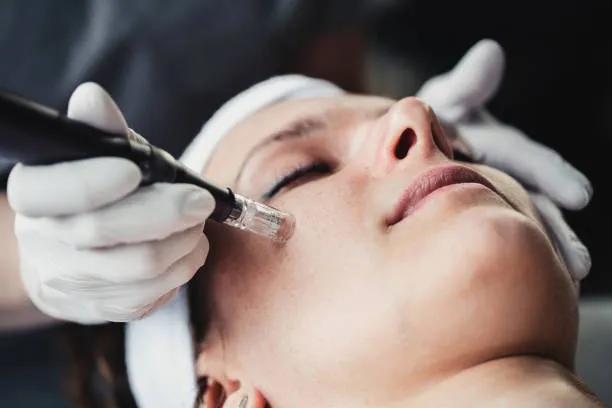
Skin can gradually look less firm as collagen and elastin—the structures that help it feel supported—change over time. Fractional RF Micro Needling Abu Dhabi is a skin-rejuvenation treatment that combines fine needles with radiofrequency energy. It is designed to encourage the skin’s natural renewal processes and may help improve the appearance of mild looseness, uneven texture, and fine lines. Results vary from person to person, and a qualified practitioner can assess whether the treatment suits an individual’s skin and goals.
What Is Fractional RF Microneedling?
Fractional radiofrequency microneedling uses a device with fine needles to create controlled, tiny channels in selected areas of the skin. The device also delivers radiofrequency energy beneath the surface. “Fractional” means that the treatment targets small portions of the skin while leaving surrounding areas untouched.
The combination is intended to prompt a repair response. As the skin renews itself, it may produce more collagen and elastin. These proteins contribute to skin structure and flexibility, so supporting their production can gradually make treated areas appear smoother and firmer.
How Can It Support Firmer-Looking Skin?
The treatment works through a gradual process rather than an instant lift. The fine needles create a controlled stimulus, while radiofrequency energy warms targeted tissue. Together, these actions may encourage collagen remodeling over time.
As the skin responds, some people notice that it feels more supported or looks more even. The degree of change depends on factors such as skin condition, treatment settings, the area treated, and the body’s individual healing response. Fractional RF microneedling is generally intended to improve the appearance of skin, not to replace surgery or guarantee a particular result.
What Skin Concerns May It Address?
A practitioner may consider fractional RF microneedling for concerns such as:
Mild skin laxity or a less defined appearance
Fine lines and changes in skin texture
Enlarged-looking pores
The appearance of certain types of acne scarring
Uneven skin tone or surface irregularities
Not every concern responds in the same way. A professional assessment helps determine whether the treatment is appropriate and whether another approach may better match the person’s goals.
What Happens During a Session?
Before treatment, the practitioner reviews the person’s skin, medical history, and expectations. They may explain how the device works, which areas could be treated, and what kind of improvement is realistic. The treatment area is prepared, and a topical numbing agent may be used to improve comfort.
During the session, the device is moved across the selected area in a planned pattern. The person may feel pressure, warmth, or brief prickling sensations. Session length varies according to the treatment area and the practitioner’s approach. The practitioner can explain what to expect before beginning and answer questions throughout the appointment.
When Might Results Become Noticeable?
Skin renewal takes time, so visible changes usually develop gradually rather than immediately. Some people may notice an early difference in texture, while changes related to firmness can take longer as collagen remodeling continues. A practitioner may recommend a series of sessions based on the skin’s condition and the person’s aims, but the number and spacing should be individualized.
Results are not identical for everyone. Age, skin characteristics, lifestyle, and the treatment plan can all influence how the skin responds. A consultation can help set realistic expectations and clarify how progress may be assessed.
Who May Be a Suitable Candidate?
Fractional RF microneedling may suit adults seeking gradual improvement in skin texture or mild laxity. Suitability depends on skin health, personal medical history, and the area being considered. Someone with an active skin condition or another relevant health concern should discuss it with a qualified practitioner before treatment.
A careful consultation is important. It gives the practitioner a chance to understand the person’s goals, review relevant factors, and explain whether the treatment is a reasonable option. It also allows the person to ask questions and make an informed decision without pressure.
Why Is Professional Assessment Important?
The device settings and treatment approach need to match the individual’s skin and goals. A qualified practitioner can assess the treatment area, explain the expected course of improvement, and discuss alternatives when appropriate. They can also provide clear guidance about what to expect during the appointment and how progress will be reviewed.
People considering treatment can ask about the practitioner’s training, the device being used, and how the plan will be tailored. Clear communication helps ensure that expectations remain realistic and that the decision is based on personal needs.
Frequently Asked Questions
Does fractional RF microneedling tighten skin immediately?
The treatment is intended to support gradual changes in skin firmness. Any early change may be subtle, while collagen remodeling takes place over time. The timing and degree of visible improvement vary.
How many sessions may be needed?
There is no single plan for everyone. The practitioner may suggest one or more sessions after assessing the skin and discussing the person’s goals. The recommendation depends on the area treated and the response they hope to achieve.
Can it be used on different areas?
A practitioner may consider it for several areas, depending on the device and the person’s skin. The face and other body areas can require different settings and treatment plans, so an assessment is needed before proceeding.
Is it a substitute for a surgical lift?
No. Fractional RF microneedling is a nonsurgical skin treatment intended to support gradual improvements in appearance. It does not provide the same type of change as surgery, and it is not suitable for every degree of skin laxity.
How can someone decide if it is right for them?
A consultation with a qualified practitioner is the best starting point. The person can discuss their concerns, health history, and desired outcome, then learn whether fractional RF microneedling is appropriate or whether another option may be more suitable.