

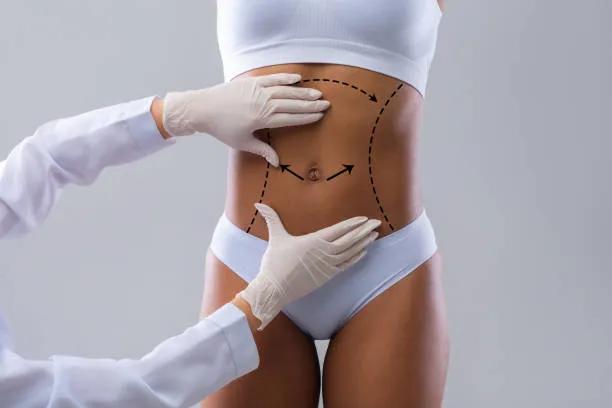
Loose skin around the lower abdomen can remain even after a person has reached a steady weight or experienced changes in their body. Mini tummy tuck Abu Dhabi is a surgical option that may address a limited area of excess skin below the belly button. Its suitability depends on the amount and location of loose skin, abdominal muscle condition, general health, and the person’s expectations.
What Is a Mini Tummy Tuck?
A mini tummy tuck is a form of abdominal contouring surgery designed for concerns concentrated in the lower abdomen. It generally involves removing a smaller amount of excess skin than a full tummy tuck. The procedure may also include tightening the lower abdominal muscles when appropriate, although the exact approach varies according to individual anatomy and surgical planning.
Unlike a full tummy tuck, a mini procedure usually does not involve repositioning the belly button. This distinction matters because it makes the procedure more suitable for some lower-abdominal concerns, but less suitable when loose skin extends above the navel.
How It Can Address Loose Skin
A mini tummy tuck may help reduce a small fold or apron of loose skin below the belly button. By removing selected excess skin and closing the incision, the lower abdomen can appear smoother and more defined. The change is focused rather than comprehensive: it is not intended to reshape the entire abdomen or remove skin across a broad area.
The procedure may be considered when:
Loose skin is mainly limited to the area below the belly button.
The upper abdomen has relatively good skin tone.
A person’s weight has been stable.
The person understands that the result is limited to the treated area.
These points are general considerations, not a way to determine candidacy on their own. An in-person assessment is needed to understand whether the procedure matches a person’s anatomy and goals.
What It May Not Do
A mini tummy tuck cannot guarantee perfectly flat skin or a particular body shape. It may not adequately address significant looseness above the belly button, extensive skin excess, or concerns involving the entire abdominal wall. In those situations, another approach may be discussed during a qualified surgical consultation.
The procedure is also not a weight-loss method. It is generally considered for contouring after weight has become stable, rather than as a substitute for weight management. Changes in weight after surgery can affect the abdomen’s appearance, so realistic expectations and long-term stability are important.
Mini Tummy Tuck Compared With a Full Tummy Tuck
The main difference is the area treated. A mini tummy tuck focuses on the lower abdomen and typically involves a more limited incision. A full tummy tuck may address loose skin across a larger part of the abdomen and may involve repositioning the belly button.
Neither option is automatically better. The appropriate choice depends on how much skin is loose, where it sits, whether the abdominal muscles need attention, and what result the person hopes to achieve. A careful consultation helps clarify which concerns can realistically be addressed.
What to Expect During Consultation
A consultation gives the person an opportunity to discuss their goals, health background, previous abdominal procedures, and expectations. The surgeon can examine the skin and abdominal area, explain the possible extent of improvement, and outline the procedure’s limitations.
Useful questions may include:
Is the loose skin limited to the lower abdomen?
Would muscle tightening be considered?
Where would the incision be placed?
What changes are realistic for this individual?
What preparation and recovery guidance would apply?
Clear communication helps the person make an informed decision without relying on general descriptions alone.
Recovery and Result Expectations
Recovery experiences vary. The surgical team provides instructions about movement, rest, wound care, and returning to usual activities. Following those directions and attending scheduled follow-up appointments can support healing and allow progress to be assessed.
The abdomen may take time to settle as healing continues. Early appearance should not be treated as the final result, and individual timelines differ. The incision also needs time to mature; its visibility can change, but a scar is an expected part of surgery. The surgical team can explain how scar placement and healing may vary.
Who May Be a Suitable Candidate?
A person may be considered for a mini tummy tuck when their concern is modest, localized, and mainly below the belly button. Stable weight, good general health, and realistic expectations are also relevant. Pregnancy plans may be worth discussing, since future body changes can affect the result.
Only a qualified professional can assess suitability. A person should share relevant health information and ask for a clear explanation of potential benefits, limitations, and recovery needs before making a decision.
Frequently Asked Questions
Can a Mini Tummy Tuck Remove All Loose Skin?
It can remove selected excess skin from the lower abdomen, but it may not address loose skin in the upper abdomen or across a larger area. The likely improvement depends on the person’s anatomy and surgical plan.
Does It Tighten Abdominal Muscles?
Muscle tightening may be considered in some cases, but it is not identical for everyone. The consultation is where the surgeon can explain whether muscle repair is relevant to the individual’s concerns.
Will the Belly Button Be Moved?
A mini tummy tuck generally does not require repositioning the belly button. However, the exact technique depends on the person’s anatomy and the plan discussed with the surgeon.
Is It a Weight-Loss Procedure?
No. It is intended to improve a localized contour concern, not to produce major weight loss. Stable weight can help support a more predictable result.
How Can Someone Decide if It Is Right for Them?
The person can begin with a consultation, describe what bothers them, and ask what a mini procedure can realistically achieve. A thoughtful decision should be based on an individual assessment, clear information, and expectations that match the procedure’s limited focus.