

In recent years, peptides have gained significant attention within the field of regenerative medicine. These small chains of amino acids play a crucial role in promoting healing, enhancing cellular functions, and supporting tissue regeneration. As scientific research continues to unfold the potential of peptides, they are increasingly viewed as a promising avenue for innovative treatments aimed at repairing and rejuvenating damaged tissues. peptides in abu dhabi rising popularity can be attributed to the remarkable benefits they offer and their ability to target specific biological processes with precision.
Understanding What Peptides Are
What Are Peptides?
Peptides are short sequences of amino acids linked together by peptide bonds. They are naturally occurring in the body and are fundamental to many biological functions. Due to their specificity and versatility, peptides can influence a wide range of physiological processes, including immune responses, hormone regulation, and cell signaling.
Types of Peptides Used in Regenerative Medicine
There are various types of peptides utilized in regenerative medicine, each designed to target specific aspects of tissue repair and cellular growth. Some commonly used peptides focus on promoting collagen production, stimulating stem cell activity, or enhancing blood flow. Their tailored functions make them particularly appealing for regenerative therapies.
Why Peptides Abu Dhabi Are Gaining Traction
Scientific Advancements and Research
Recent scientific advancements have shed light on the powerful capabilities of peptides. Extensive research indicates that certain peptides can stimulate cellular regeneration, improve tissue elasticity, and accelerate healing processes. The ongoing studies and promising results have contributed to their rising prominence in regenerative medicine.
Personalized and Targeted Treatments
One of the key reasons for the trending status of peptides Abu Dhabi is their ability to offer personalized treatment options. Since peptides can be designed to target specific cellular pathways, treatments can be customized according to individual needs. This targeted approach enhances efficacy and reduces unnecessary interventions, making peptides a preferred choice for many.
Rising Patient Interest and Demand
As awareness about regenerative medicine grows, patients are increasingly seeking innovative solutions that promote natural healing. Peptides fit well within this paradigm, as they support the body's innate ability to repair itself. The demand for minimally invasive, effective treatments has propelled peptides to the forefront of regenerative therapies.
Benefits of Using Peptides in Regenerative Medicine
Promoting Cellular Regeneration
Peptides are renowned for their capacity to stimulate the regeneration of damaged cells. They activate specific pathways that encourage new cell growth, which is essential in repairing tissues after injury.
Enhancing Collagen Production
Collagen is vital for maintaining skin elasticity and strength. Peptides can boost collagen synthesis, leading to improved skin texture and reduced signs of aging, making them popular in aesthetic regenerative treatments.
Improving Blood Circulation
Certain peptides help in enhancing blood flow to tissues, which is crucial for delivering nutrients and removing waste products. Improved circulation supports faster healing and tissue vitality.
Supporting Stem Cell Activity
Stem cells have the ability to develop into various cell types. Peptides can stimulate stem cell proliferation and differentiation, helping in tissue regeneration and repair.
Reducing Recovery Time
In regenerative medicine, faster healing is always a priority. Peptides can accelerate recovery processes by promoting efficient tissue repair and reducing downtime.
How Peptides Are Integrated into Regenerative Therapies
Topical Applications
Peptides are often used in topical formulations to improve skin health, promote healing of wounds, and reduce signs of aging. Their ability to penetrate the skin and target underlying tissues makes them effective in surface treatments.
Injectable Treatments
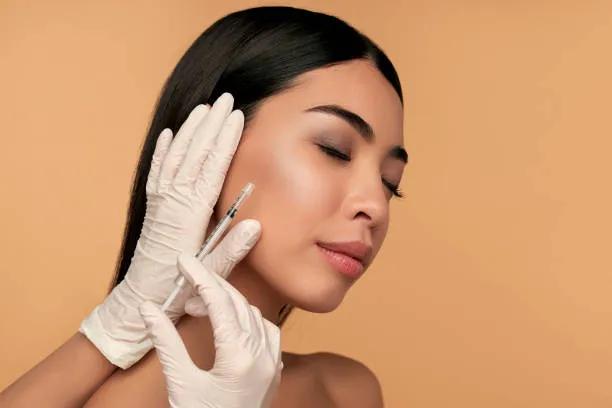
Injectable peptides are used for more targeted regenerative purposes, such as stimulating deeper tissue repair, enhancing muscle regeneration, or supporting joint health. These treatments deliver peptides directly to the affected areas for optimal results.
Combination Therapies
Peptides are frequently combined with other regenerative modalities to amplify their effects. When used alongside other therapies, they can enhance overall outcomes and support comprehensive tissue healing.
The Future of Peptides in Regenerative Medicine
Ongoing Research and Development
The field of peptides in regenerative medicine continues to evolve with ongoing research. Scientists are discovering new peptides with unique capabilities, expanding the potential applications of these molecules.
Personalized Medicine Approach
Advances in biotechnology are paving the way for highly personalized peptide therapies tailored to an individual's specific biological profile. This precision medicine approach promises to optimize treatment effectiveness.
Broader Adoption and Acceptance
As more evidence emerges supporting their benefits, peptides are expected to become a standard component of regenerative medicine protocols. Their versatility and targeted action will likely lead to broader acceptance among healthcare providers and patients alike.
FAQs About Peptides Abu Dhabi
What makes peptides a popular choice in regenerative medicine?
Peptides are favored because they can specifically target cellular pathways involved in tissue repair, promote natural healing processes, and be customized to meet individual needs. Their ability to stimulate regeneration effectively makes them a compelling option.
Are peptides safe for regenerative treatments?
While this content does not focus on side effects, it is important to note that peptides are generally considered safe when used appropriately under professional guidance. Their targeted nature minimizes the risk of unwanted reactions.
Can peptides be used for cosmetic purposes?
Yes, peptides are often utilized in cosmetic regenerative treatments to improve skin elasticity, reduce wrinkles, and promote a youthful appearance.
How long does it take to see results from peptide therapy?
Results can vary depending on the specific treatment, individual health status, and targeted area. Usually, consistent treatments over several weeks are needed to observe noticeable improvements.
Are peptides suitable for everyone?
Peptides are versatile and generally suitable for many individuals seeking regenerative therapies. However, consulting with a healthcare provider is essential to determine suitability based on personal health conditions.
Conclusion
The rising trend of peptides Abu Dhabi in regenerative medicine is driven by their remarkable ability to promote natural healing, support tissue regeneration, and offer personalized treatment options. As scientific research continues to uncover their full potential, peptides are poised to become a cornerstone in the future of regenerative therapies, helping individuals recover better and faster from injuries and aging-related changes. Their targeted, versatile, and effective nature makes them a promising solution for a new era of regenerative medicine.
READ MORE : Are Peptides Treatments Effective for Hair Repair?